Wardrobe Mistakes Modern Men Make
A well-curated wardrobe is a cornerstone of confidence and style, yet many men unknowingly make mistakes that undermine the impact of their clothing choices. Understanding common pitfalls can help men refine their approach, ensuring that each outfit is polished, functional, and appropriate for the occasion. From neglecting fit to mismanaging layering, several recurring errors can prevent a wardrobe from achieving its full potential.
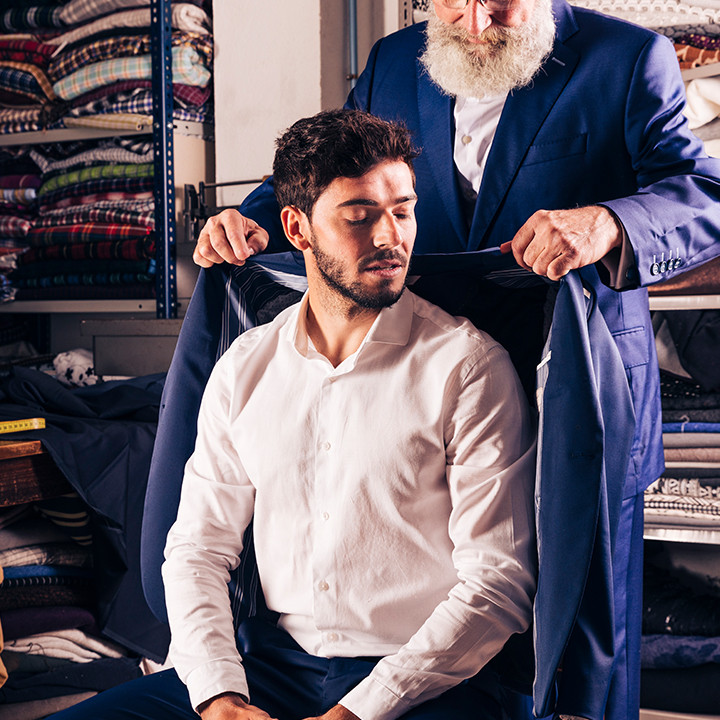
One of the most frequent mistakes is choosing garments that do not complement the wearer’s body shape. Poorly fitted jackets, shirts, or trousers can create a sloppy or unbalanced appearance, even when the clothing is high quality. It is essential to select garments that follow natural lines, offering structure without restricting movement. Tailored cuts or adjustable fits can elevate basic pieces, providing a clean silhouette that enhances confidence and style.
Another common error is neglecting the versatility of foundational garments. Many men fill their wardrobe with overly trendy pieces that have limited pairing options. While statement garments can be appealing, over-reliance on them reduces overall outfit cohesion. Investing in neutral, adaptable garments—such as plain t-shirts, button-up shirts, and classic trousers—creates a base that supports experimentation with bolder colors, textures, and layers. Foundational pieces ensure that the wardrobe is flexible and functional for a variety of occasions.
Layering mistakes are also prevalent in men’s wardrobes. Incorrect layering can add bulk or create disproportionate silhouettes, diminishing the intended aesthetic. Base layers should be lightweight and breathable, allowing mid-layers such as jackets or sweaters to sit comfortably on top. Thoughtful layering considers fabric weight, texture, and proportion, enabling garments to be combined seamlessly. Avoiding excessive layering ensures outfits remain polished, comfortable, and suitable for varying climates and settings.
Ignoring color coordination is another issue that can compromise style. While bold or vibrant garments can make a statement, poor pairing often results in visual imbalance. Neutral shades such as white, grey, beige, and navy provide stability, creating a canvas for integrating bolder tones. Complementary or analogous color combinations enhance cohesion and prevent clashes. Men who pay attention to color harmony can wear bold pieces confidently without overwhelming their overall look.
Fabric selection is often overlooked, yet it is critical for both comfort and longevity. Low-quality or inappropriate fabrics can lose shape, fade quickly, or feel uncomfortable, undermining even the most carefully curated outfits. Investing in durable, breathable, and seasonally appropriate fabrics ensures that garments maintain their appearance over time. Understanding how different fabrics behave in various conditions allows men to select pieces that remain functional, stylish, and comfortable throughout the year.
Neglecting garment maintenance is another common mistake. Premium fabrics and well-constructed pieces require proper care to preserve texture, shape, and color. Simple actions such as following washing instructions, air drying, and storing garments properly can significantly extend the life of a wardrobe. Rotating garments evenly also reduces wear on individual items, ensuring that the overall collection remains in excellent condition. A well-maintained wardrobe reflects attention to detail and reinforces personal style.
Overcomplicating outfits can also detract from a man’s appearance. Combining too many statement pieces, bold colors, or varying textures can create a chaotic look. Minimalist principles, including restraint in layering and thoughtful selection of standout garments, often produce a more refined and polished aesthetic. Men should focus on balance, allowing each piece to contribute to the overall outfit without competing for attention.
Finally, failing to adapt to context or occasion can diminish the effectiveness of a wardrobe. Wearing overly casual garments in professional settings or excessively formal pieces in relaxed environments can disrupt visual harmony and comfort. Understanding when to employ specific garments, how to combine them, and which textures and tones are appropriate ensures that outfits are functional, versatile, and stylish in any situation.
In conclusion, modern men can improve their wardrobe by avoiding common mistakes related to fit, versatility, layering, color coordination, fabric selection, maintenance, and contextual appropriateness. By prioritizing tailored fits, neutral foundational pieces, thoughtful layering, and careful attention to fabric and color, men can elevate everyday outfits and create a cohesive, polished wardrobe. A functional, stylish wardrobe not only enhances confidence but also ensures that men can express personal style effectively, effortlessly, and appropriately for any occasion.